
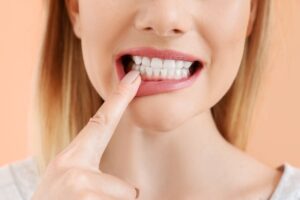
Tooth enamel is the hard, protective outer layer of your teeth, and it plays a vital role in keeping your smile healthy. While enamel is the strongest substance in the human body, it is not indestructible. When enamel wears away, it can lead to a variety of oral health concerns. So, is tooth enamel loss something to worry about? In most cases, yes, it deserves attention.
Why Tooth Enamel Matters
Enamel acts as a shield that protects the inner layers of your teeth from bacteria, acids, and daily wear and tear. It allows you to chew comfortably and protects against sensitivity and decay. Unlike other tissues in the body, enamel does not regenerate once it’s gone. That means any enamel loss is permanent and should be taken seriously.
Common Causes of Enamel Loss
Several everyday habits can contribute to enamel erosion. Frequent consumption of acidic foods and beverages, such as soda, citrus fruits, and sports drinks, can gradually wear enamel away. Acid reflux and certain medical conditions can also expose teeth to stomach acids, accelerating erosion. In addition, aggressive brushing, using a hard-bristled toothbrush, and teeth grinding (bruxism) can mechanically wear down enamel over time.
Signs You May Be Losing Enamel
Enamel loss often happens slowly, so early signs can be easy to miss. Increased tooth sensitivity to hot, cold, or sweet foods is one common symptom. Teeth may also appear more yellow as the underlying dentin becomes visible. In more advanced cases, teeth may develop rough edges, chips, or small dents along the chewing surfaces.
Why Enamel Loss Shouldn’t Be Ignored
Ignoring enamel loss can lead to more serious problems. As enamel thins, teeth become more vulnerable to cavities, cracks, and fractures. Sensitivity may worsen, making eating and drinking uncomfortable. In severe cases, significant enamel erosion can change the shape of your teeth and affect your bite, leading to additional dental issues.
What You Can Do to Protect Your Enamel
The good news is that while enamel cannot be restored naturally, further damage can often be prevented. Using a fluoride toothpaste helps strengthen remaining enamel and slow erosion. Limiting acidic foods and drinks, waiting at least 30 minutes before brushing after consuming acids, and wearing a nightguard if you grind your teeth can all help preserve enamel. Regular dental visits are essential for early detection and personalized guidance.
If you notice increased sensitivity, changes in tooth color, or discomfort when chewing, it’s important to see a dentist. Early intervention can prevent enamel loss from progressing and help protect your long-term oral health.
About the Practice
Do you need to restore a damaged or decayed tooth? Choose Parklane family Dentistry for the best restorative care. We can replace old metal fillings safely. Don’t believe us? Read some of the hundreds of 5-star reviews on Google as evidence that we’re one of the top practices in the area. Also, you can save without insurance with our in-house membership plan for affordable care. Schedule your appointment online or call (469) 731-0391.